

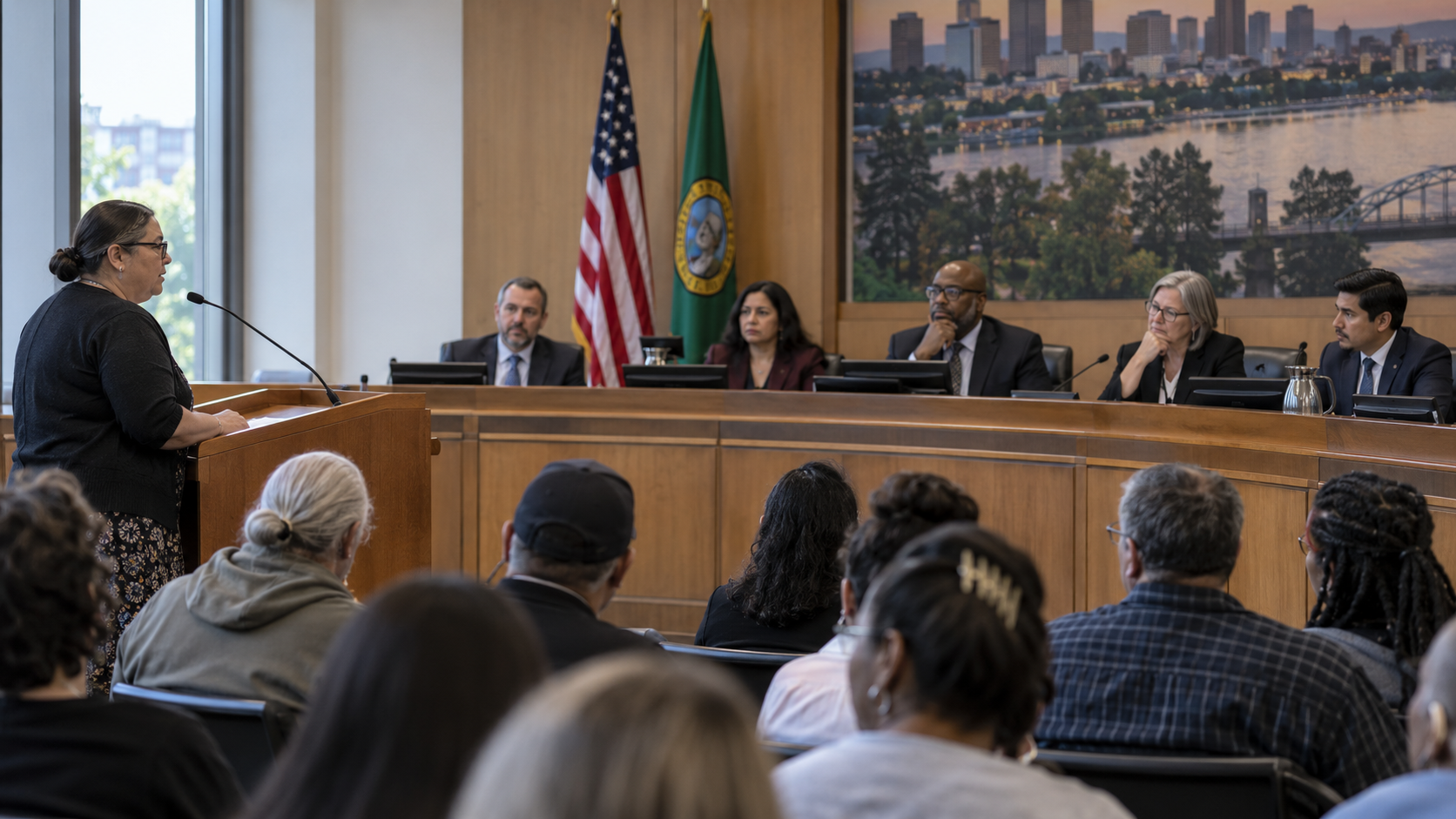
Public hearings remain a central part of democratic decision-making, but traditional formats often limit who can participate. Meetings held at a single location during working hours may exclude caregivers, shift workers, disabled residents, and people who live far away. New hybrid procedures are helping institutions gather broader input while preserving transparent records and orderly debate.
Notice must be timely and understandable
Participation starts with clear public notice. Agencies should explain what decision is being considered, why it matters, where supporting documents can be found, and how comments will be used. Technical proposals benefit from a short plain-language summary. Notices should appear through multiple channels instead of relying on a single website page that residents may never visit.
Hybrid meetings expand the audience
Allowing both in-person and remote testimony can reduce travel and scheduling barriers. A reliable system needs visible instructions, captioning, moderated speaking queues, and a backup method if the video platform fails. Remote participants should have a comparable opportunity to speak rather than being treated as observers after the room has finished.
Written comments deserve equal attention
Some residents communicate more effectively in writing or cannot attend live. Online forms, email, post, and designated drop-off locations provide alternatives. Agencies should publish a deadline and explain whether personal contact details will become public. A searchable collection of submissions can improve transparency when sensitive personal information is removed.
Fair procedures manage competing views
Hearings can involve strong disagreement. Consistent time limits, respectful moderation, and neutral rules help prevent one organized group from dominating. Officials should distinguish factual questions from advocacy and disclose relevant conflicts. When translation or disability support is requested, arrangements should be confirmed early enough to make participation meaningful.
Decision makers should explain the outcome
Trust improves when the final decision addresses the main themes raised by the public. A response does not need to accept every proposal, but it should identify the evidence considered and explain important tradeoffs. Publishing minutes, recordings, staff reports, and voting records allows residents to understand how testimony influenced the result.
A public hearing is more than a procedural box to check. When notice, access, moderation, and follow-up are designed carefully, community input becomes more representative and more useful. That leads to stronger policy and a clearer public record.